
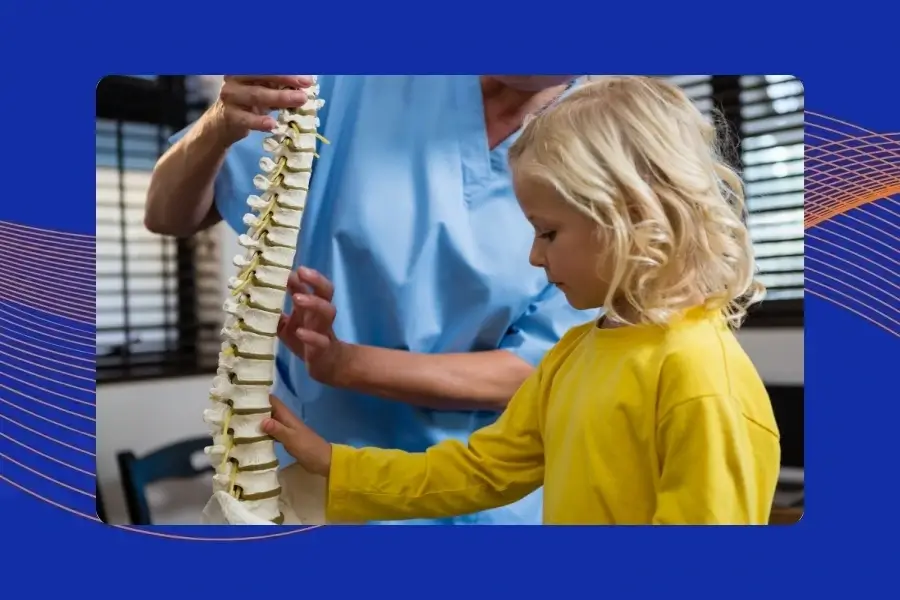
Vertebral body tethering recovery is a journey that looks very different from other scoliosis surgeries, and for most patients, that’s great news. As a motion-preserving alternative to spinal fusion, VBT allows the spine to continue moving and growing, which means the recovery process is generally faster and less restrictive.
If you’re wondering what to expect after vertebral body tethering surgery, you’re not alone — it’s one of the most common questions families ask when exploring this procedure. Like any major surgery, understanding what lies ahead can make all the difference in how confidently you navigate it.
What to Expect the First 24 Hours After Vertebral Body Tethering Surgery
The first 24 hours after vertebral body tethering surgery are focused on stabilization, monitoring, and pain management. You’ll be in the hospital under close care, with IV medications managing your comfort. A small chest tube may be in place temporarily, as VBT is performed through the chest wall (thoracoscopically), and this is completely normal and expected. Nurses and respiratory therapists will monitor your breathing and may introduce a small breathing device called an incentive spirometer to keep your lungs clear and reduce the risk of complications. Rest is the priority during this window, but your care team will begin preparing you for early movement very soon.
VBT Recovery Days 1 – 3
Movement begins earlier than most patients expect. Within the first day or two after surgery, you will be getting up and taking your first short walk. This early mobilization is essential for preventing blood clots, jumpstarting circulation, and beginning the healing process.
You’ll be taught how to move safely, transitioning from lying down to sitting up in a controlled, supported way that avoids unnecessary strain on the surgical site. Most patients are discharged from the hospital within 3 to 5 days following VBT surgery.
VBT Recovery Weeks 1 – 6
The first several weeks at home are the most important for protecting the surgical site and allowing initial healing to take place. While VBT recovery is less restrictive than spinal fusion recovery, there are still important guidelines to follow during this phase. Understanding this early window is a key part of knowing what to expect after vertebral body tethering surgery.
- Movement & Restrictions: Bending, lifting, and twisting will be limited in the early weeks. You’ll be advised to avoid lifting anything heavier than a few pounds and to move thoughtfully and deliberately throughout the day. Your spine surgeon will provide specific restrictions tailored to your case. Unlike spinal fusion, VBT does not require the spine to be completely immobilized, but protecting the tether and surgical site during early healing is still critical.
- Managing Discomfort at Home: Some soreness, fatigue, and tightness around the chest and rib area is common and expected, given the thoracoscopic nature of the procedure. Pain medication will be prescribed and should be taken as directed. Icing the area and resting in supported positions can also help manage discomfort. Most patients see a significant reduction in pain levels by the end of weeks 3 to 4.
- Walking During Early VBT Recovery: Short, frequent walks are encouraged from day one at home. Aim for 3 to 5 short walks per day, gradually increasing duration as comfort allows. Walking improves circulation, prevents stiffness, and supports healing. In fact, it is one of the most important things you can do during early recovery from vertebral body tethering surgery.
VBT Recovery Months 2 – 6
This phase marks a meaningful shift from protection to rebuilding and is where the VBT surgery recovery time begins to feel more manageable for most patients. Physical therapy typically begins around 6 to 8 weeks post-op and plays a central role in restoring strength, flexibility, and confidence in movement.
Weeks 8 – 12:
- Core strengthening and gentle spinal mobility exercises begin.
- Light stretching and low-impact movement are introduced.
- Many patients return to school or light daily activities during this window.
Month 3:
- Stamina and strength improve noticeably.
- Physical therapy becomes more active and progressive.
- Most patients are no longer relying on pain medication at this stage.
Months 4 – 6:
- Endurance-focused exercises are introduced.
- Non-impact activities such as swimming and light cycling are often cleared.
- Patients begin feeling more like themselves and resuming a broader range of normal activities.
Driving, School, and Sports After VBT Surgery
Getting back to real life is an important milestone in recovery from vertebral body tethering surgery. While individual timelines should always be confirmed with your spine surgeon, you can look forward to:
Returning to School After Vertebral Body Tethering Surgery
Most adolescent scoliosis patients are able to return to school within 2 to 4 weeks post-op, starting with partial days and building back to a full schedule as energy and comfort allow.
Driving After Vertebral Body Tethering Surgery
Return to driving depends on whether the patient is still taking narcotic pain medication and whether they can safely and comfortably perform all driving functions. This is typically cleared between 4 to 6 weeks, pending surgeon approval.
Sports & Athletics After Vertebral Body Tethering Surgery
Returning to sports after vertebral body tethering is the milestone that matters most to many VBT patients, who are often active adolescents. When can you return to sports after VBT surgery? Non-contact, low-impact activity is typically cleared around 3 to 4 months. A return to contact sports, competitive athletics, and high-impact activities generally requires surgeon clearance and is often possible between 6 and 12 months post-op, depending on the individual case and how the tether is performing.
VBT Recovery 6 Months and Beyond
By the 6-month mark, most VBT patients have moved well beyond the restrictions of early recovery and are living active, largely unrestricted lives. The VBT recovery timeline at this stage shifts from healing to long-term spine health and monitoring.
- Ongoing Monitoring: Because VBT works with the spine’s natural growth to gradually correct the curve, follow-up appointments and periodic imaging are an important part of long-term care. Your spine surgeon will monitor the curve correction over time to ensure the tether is performing as expected.
- Maintaining Spinal Health: Continuing the habits built during physical therapy such as core strength, good posture, and regular low-impact exercise will support your spine for the long term. Activities like swimming, yoga, and cycling are excellent ongoing choices.
What Makes VBT Recovery Unique
Unlike spinal fusion, the spine retains its motion after VBT, which means patients can continue growing, bending, and moving naturally. This is one of the defining advantages of the procedure and it becomes fully appreciated in this later stage of recovery when patients realize how few long-term restrictions they carry.
Recovery from Vertebral Body Tethering vs. Spinal Fusion
For many families, vertebral body tethering vs. spinal fusion recovery is the central question when evaluating surgical options. Both surgeries treat scoliosis, but their recovery paths are meaningfully different.
Spinal fusion recovery is typically longer and more restrictive, requiring the spine to be fully immobilized while the bone graft heals and the vertebrae fuse together, a process that can take 6 months to over a year. Heavy restrictions on bending, lifting, and twisting are enforced for months, and returning to sports after spinal fusion may take a year or more.
When comparing vertebral body tethering vs. spinal fusion recovery, VBT moves faster. The spine is not being fused; it is being guided. There is no bone graft healing process to wait for, and the motion-preserving nature of the procedure means patients typically face fewer long-term activity restrictions. Most VBT patients are returning to sports after vertebral body tethering well before a fusion patient would, and without the permanent limitation of a fused segment.
That said, VBT is not the right solution for every patient. Candidacy depends on factors including age, skeletal maturity, and curve severity. Your surgeon is the best resource for determining which path is right for your specific case.
Tips for a Smooth VBT Recovery
A successful vertebral body tethering recovery comes down to preparation, patience, and consistency. Here are the most important things you can do to support the process:
- Follow your surgeon’s instructions exactly. The restrictions in the early weeks exist for important reasons. Pushing too soon can compromise the tether and the outcome.
- Prioritize walking. Frequent short walks are one of the best things you can do throughout the VBT recovery timeline. Do not underestimate their value.
- Stay ahead of pain. Take prescribed medications on schedule in the early weeks rather than waiting until pain peaks. Staying comfortable supports better movement and sleep.
- Prepare your home before surgery. Set up a comfortable recovery area on one level, stock easy-to-prepare foods, and have grab bars or assistive tools accessible if needed.
- Communicate openly with your care team. Any new or worsening symptoms — particularly chest pain, shortness of breath, or sudden changes in pain — should be reported promptly.
- Be patient with fatigue. Major surgery takes a toll on the body. Rest is not laziness; it is part of healing.
Reclaiming an Active Life After Vertebral Body Tethering
Vertebral body tethering recovery requires commitment, but the destination is well worth it. For the right patient, VBT offers a path to scoliosis correction that preserves spinal motion, supports a faster return to activity, and avoids the long-term restrictions of fusion. Understanding the VBT recovery timeline, from the first 24 hours to 6 months and beyond, allows patients and families to move through the process with clarity and confidence. And for active adolescents especially, knowing that returning to sports after vertebral body tethering is a realistic and achievable goal makes the entire journey feel more purposeful.
If you’re exploring whether vertebral body tethering is the right option for your child or yourself, our team is here to help. Contact The Advanced Spine Center today to schedule a consultation and take the next step toward a straighter, more active life.