
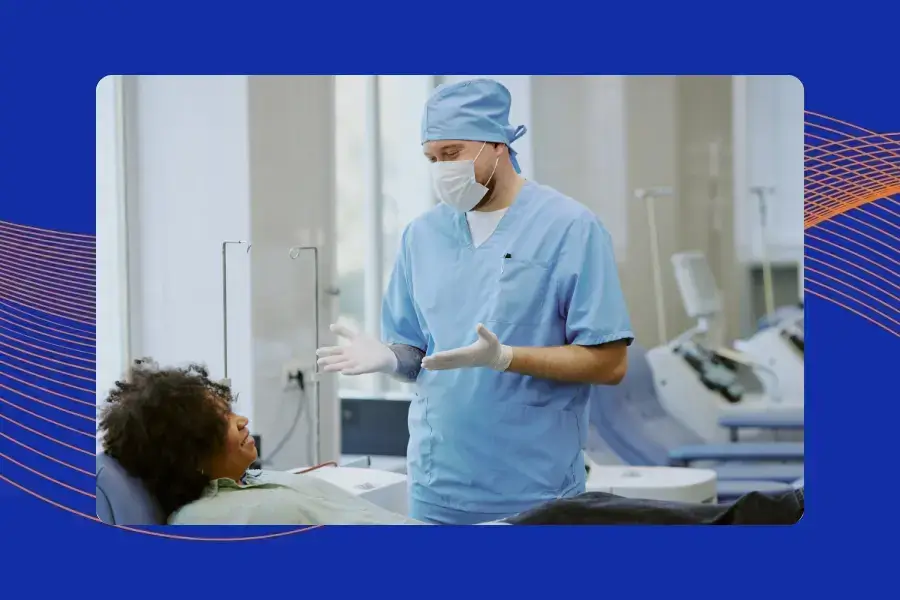
Deciding on scoliosis surgery is rarely a sudden choice. Usually, it starts with a diagnosis, followed by trying non-surgical treatments, and then realizing those approaches might not be enough. When a spine specialist finally suggests surgery, it’s after a long journey.
Wanting to take a step back before agreeing is completely normal. It’s not about distrust or delaying; it’s just smart to seek more than one expert’s opinion for something so permanent.
Why Scoliosis Surgery Decisions Aren’t Always Black and White
The truth is, scoliosis surgery decisions aren’t black and white. Scoliosis exists on a spectrum. A 30° adolescent idiopathic curve in a 14-year-old facing their growth years looks nothing like a 50° degenerative disc disease curve in a 62-year-old with spinal stenosis and chronic pain.
The Cobb angle (that measurement you’ve probably heard referenced in every consultation) serves as a guideline, not a hard rule. The 40-50° range often represents a gray zone for adult surgical intervention. What really matters is your symptoms, how quickly your curve is progressing, your quality of life, and how well non-surgical options are working.
This is exactly why two experienced spine specialists can look at the same imaging and reach genuinely different conclusions. Neither is necessarily wrong. It is a reflection of how complex these decisions are, and precisely why a second opinion has real value.
Signs It’s Time to Get a Second Opinion
There is no single rule for when a second opinion is warranted, but if any of the following situations sound familiar, it is worth taking that extra step for peace of mind:
- You feel anxious. Wanting confirmation before permanent surgery is reason enough. No ethical surgeon takes offense at you requesting more information.
- You felt rushed. A good surgeon will take time to explain the reasoning behind a recommendation, answer your questions, and make sure you understand your options. If you left the appointment with more confusion than clarity, trust that feeling.
- Your curve has been stable. If your curve has not progressed significantly in a long time, a recommendation to operate now may still be the right call, but you deserve a clear explanation of what changed. A second set of eyes can help you evaluate that.
- You’ve received conflicting advice. If different providers have pointed you in different directions, a second opinion from a specialist with deep scoliosis expertise can help you make sense of the disagreement and feel grounded in a clear direction.
What a Second Opinion Can Actually Tell You
A second opinion isn’t about getting a simple yes/no answer. It’s about understanding why this treatment plan, on this timeline, makes sense for your specific body and life. That clarity supports informed decisions and better outcomes.
In some cases, a second specialist will look at your imaging, review your history, and reach the same conclusion as the first. That confirmation can give you confidence, turning reluctant acceptance into informed consent. Other times, they might suggest a different approach, maybe a less invasive surgery, a delay in timing, or other non-surgical options you hadn’t heard of. There is a real difference between reluctantly accepting a recommendation and genuinely understanding why it is the right call.
What a good second opinion should always do, regardless of whether the conclusion changes, is leave you with a clearer understanding of your spine, your options, and the reasoning behind each one. You should walk out knowing not just what is being recommended, but why.
What to Bring to a Second Opinion Appointment
The more complete a picture you can give your second opinion scoliosis specialist, the more useful their evaluation will be. Preparation maximizes value. Think of this as packing a folder (physical or digital) before your opinion visit.
- Full imaging, originals rather than just reports. Bring your actual X-rays, MRI, and CT scans. A written radiology report is a summary of someone else’s interpretation. A specialist needs to see the imaging directly to form their own view.
- Your full treatment history. Document what you have tried, for how long, and what results you saw. Include physical therapy, bracing, injections, chiropractic care, medications, and any other interventions.
- A clear description of your current symptoms. Pain levels, where it hurts, what makes it better or worse, and how it affects your daily activities, sleep, and overall quality of life. Be specific.
- A written list of questions. It is easy to forget what you wanted to ask once you are in the room. Consider including: Why do you recommend surgery now rather than continued monitoring? What are the risks and expected recovery time? Are there non-surgical options I have not tried? What happens if I do not have surgery?
- Any prior surgical recommendations in writing. If the previous surgeon provided documentation of their recommendation, bring it. It gives the new specialist important context and allows them to engage directly with what was proposed.
How to Find the Right Scoliosis Specialist for a Second Opinion
Not all spine specialists have the same depth of scoliosis experience. Choosing the right spine surgeon for your scoliosis surgery carefully matters as much as getting the second opinion itself. When evaluating a scoliosis surgeon, credentials and experience are the starting point. Look for a board-certified orthopedic spine surgeon or who specifically focuses on adult scoliosis, adolescent scoliosis or spinal deformities.
Beyond credentials, pay attention to how many scoliosis cases a surgeon handles annually, as higher case volume is consistently linked to better outcomes regardless of how many total years someone has been in practice. A qualified surgeon should also be comfortable with multiple surgical techniques and current technology, which reflects both versatility and a commitment to staying current as the field evolves.
In your second opinion scoliosis surgery consultation, watch for how the surgeon communicates. A good one will explain why their recommended approach fits your specific curve, discuss realistic outcomes and recovery honestly, and answer your questions without making you feel like a burden. The right spine surgeon will give you the information you need to make this decision clearly and on your own terms.
You Deserve Confidence in Your Scoliosis Surgery Decision
Getting a second opinion before permanent spine surgery is a sign of being a thoughtful, engaged patient, not a difficult one. It is what informed patients do when facing major medical decisions, and any good surgeon will tell you the same.
Scoliosis surgery changes posture, mobility, and lifestyle for decades. If you have been told you need scoliosis surgery and still have questions, we welcome the opportunity to review your case. Request an appointment at the Advanced Spine Center and let us help you move forward with confidence.