
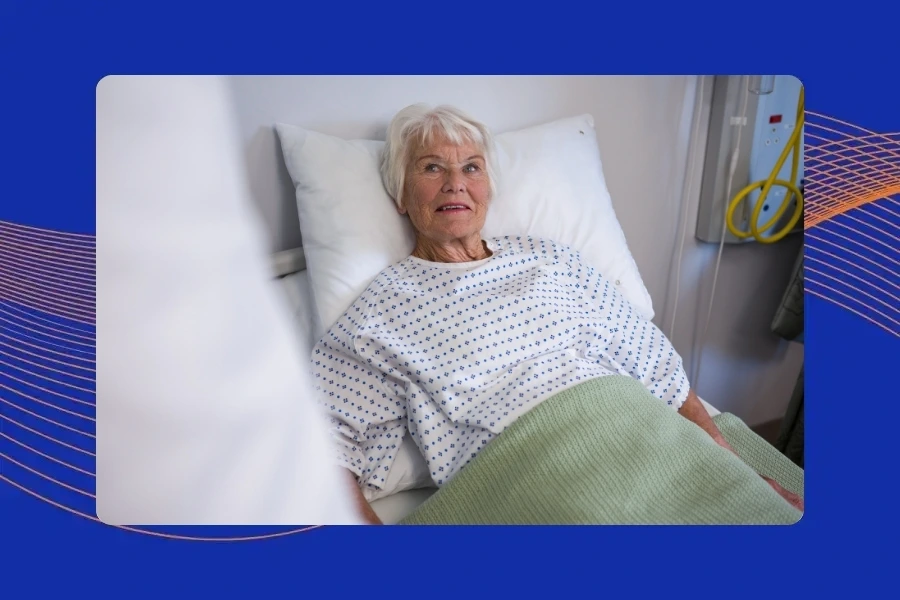
Scoliosis surgery is a major procedure, and the recovery that follows deserves the same careful attention as the decision to have it. The first 6 weeks are the most demanding stretch of the entire process and how you navigate them can shape recovery from scoliosis surgery.
Knowing what to expect means fewer surprises, better pain management, and a clearer sense of whether what you’re experiencing is normal or worth a call to your spine surgeon.
Whether you’re recovering from surgery for adult scoliosis, pediatric scoliosis, or a complex spinal deformity, the first six weeks tend to follow a recognizable pattern. Here’s what scoliosis surgery recovery can actually looks like, week by week.
What Happens in the First 24 Hours After Scoliosis Surgery?
Post scoliosis surgery recovery begins in the hospital, typically in an intensive care or high dependency unit. This is standard protocol after a major spinal procedure, not a sign that something went wrong.
When you wake up, you may have a urinary catheter, a small surgical drain, and an IV line, each removed as your body stabilizes over the first 2-3 days. Pain is managed through patient-controlled analgesia, a pump you operate yourself. The care team will ask you to wiggle your fingers and toes shortly after waking, confirming spinal cord and nerve function are intact.
Week 1: The First Days Home
Patients who get through week 1 at home with the least difficulty share one thing in common: they prepared their home before surgery. A few scoliosis surgery recovery preparations for your home can include:
- Clear walking paths of tripping hazards
- Install a toilet seat riser
- Stock a recovery space with everything within reach
- Arrange food that requires no cooking
- Coordinate a caregiver schedule before the surgery date, because driving won’t be possible for several weeks.
During your first week at home post scoliosis surgery, movement is governed by the “No BLTs” rule: no bending at the back, no lifting, no twisting. The spine has been surgically repositioned and the hardware holding everything in place needs time before the bone catches up. Moving the wrong way will cause pain, which is the body’s signal to stop rather than a sign of structural damage.
Week 2: Managing Your Incision and Watching for Changes
Wound care in week 2 demands more attention than most patients give it. The incision may look and feel better, but the tissue underneath is still in an early and vulnerable stage of repair, and complacency about keeping it clean and dry is where complications tend to start.
Keep it dry, cover it with plastic wrap and tape before showering, and avoid any creams or lotions until your spine surgeon explicitly clears you. The warning signs of infection are worth knowing during post scoliosis surgery recovery: redness spreading beyond the wound edges, warmth in the surrounding tissue, cloudy or foul-smelling discharge, persistent fever above 101°F, and pain that is increasing rather than easing. Infections are far easier to treat when caught early. If anything looks wrong, reach out to The Advanced Spine Center rather than waiting it out.
Weeks 3 and 4: Signs of Progress
Most patients notice around week 3 and 4 that pain starts to feel like something they’re ahead of rather than chasing. Energy returns in small but real increments. These weeks also carry the highest risk of overdoing it, because feeling better and being healed are two very different things.
The general window for returning to school or work after scoliosis surgery is 2-4 weeks for sedentary activity, but can vary depending on your specific situation. Adolescents typically need a phased return with accommodations for seating and carrying. Adults returning to desk work need to limit continuous sitting, since extended time in one position puts sustained load on a healing spine. Treating either return as full normalcy is where most setbacks originate.
The first post-surgical follow-up falls in this window. Your spine surgeon examines the incision, takes X-rays to confirm hardware positioning and early progress, and addresses the transition off narcotic pain medication.
Weeks 5 and 6: Building Toward the Next Phase
By weeks five and six, the sharpest part of recovery is behind you. The body is still doing significant healing work beneath the surface, but most patients begin to feel genuine glimpses of their normal energy returning and that shift, however gradual, is worth acknowledging.
Sleep may still be a work in progress at this stage. Safe sleeping positions after scoliosis surgery take some trial and error, and what works varies from person to person. Side sleeping with a pillow between bent knees works well for most patients. Back sleeping with pillows under the lower back and shoulders is another solid option. A reclining chair is a legitimate choice, not a workaround. Stomach sleeping should be avoided, as it places the spine in extension and introduces rotational stress.
Fatigue at this stage tends to surprise people. A short walk shouldn’t feel tiring six weeks out, and yet it often does. That’s not a sign that something is wrong. The body is running an extensive internal repair process that has nothing to do with physical effort, and energy levels tend to improve noticeably week over week. Each week should feel slightly more manageable than the last.
After 6 Weeks: The Road Ahead
6 weeks is where acute recovery ends, not where recovery ends. The spine continues healing and strengthening well beyond what any external timeline can capture, and most patients find that the months following acute recovery bring a gradual, steady return to the life they had before, but with less pain than they’d known in years.
Movement restrictions ease as healing progresses, and by the 6-month mark most patients are cleared for non-contact sports, with full activity typically restored by one year.
For many patients, this longer arc of recovery is where the decision to have scoliosis surgery finally makes complete sense. The correction holds. The pain that prompted years of treatment fades. The body feels stable in a way it hadn’t in a long time. That outcome doesn’t arrive all at once, it accumulates week by week, appointment by appointment, until one day it’s simply the new normal.
The Advanced Spine Center monitors you closely through every stage of this process. Each follow-up is an opportunity to assess how healing is progressing, adjust any remaining restrictions, and make sure the road ahead is as clear as possible.
A Lifetime of Relief for Advanced Scoliosis
The first 6 weeks of scoliosis surgery recovery are where the hardest work happens, and also where the most meaningful progress begins. Each week builds on the last, restrictions ease, energy returns, and the outcome surgery was designed to deliver starts to become real in everyday life.
For most patients, the months that follow look better than the painful years that came before. A stable, corrected spine opens doors that pain and limitation had been quietly closing. That journey starts here, in these first weeks, and it’s one you don’t navigate alone. If you’re considering scoliosis surgery and want to understand whether it’s the right path for you, we’re here to help!